2025. 10. 12. 08:37ㆍ독서
제목 : 7 Powers: the Foundations of Business Strategy
저자 : Hamilton Helmer
완독일 : 251011
Great businesses come from unassailable power. 7 Powers, written by Hamilton Helmer, explains how a business can acquire such power using his special “matrix.” I find this book especially interesting because power also means economic moat, a topic I’ve been interested in. This posting will include the summary of some essential concepts from this book.
Power is the driver of potential fundamental business value; Strategy is the intellectual discipline regarding the fundamental determinants of such value.
> Power can be interpreted as "economic moat".
>> Value is proportional to Power and Market Scale.
When addressing Power, assessing both the benefit (why is it beneficial to our business?) and barrier (why can't competitors gain the same Power?) is needed.
Strategy can be distinguished by two categories: static and dynamic.
- Strategy statics: "Being there"
- Strategy dynamics: "Getting there"
> The author delineated 7 Strategy statics, or 7 Powers, and 2 Strategy dynamics.
Static 1: Scale Economies
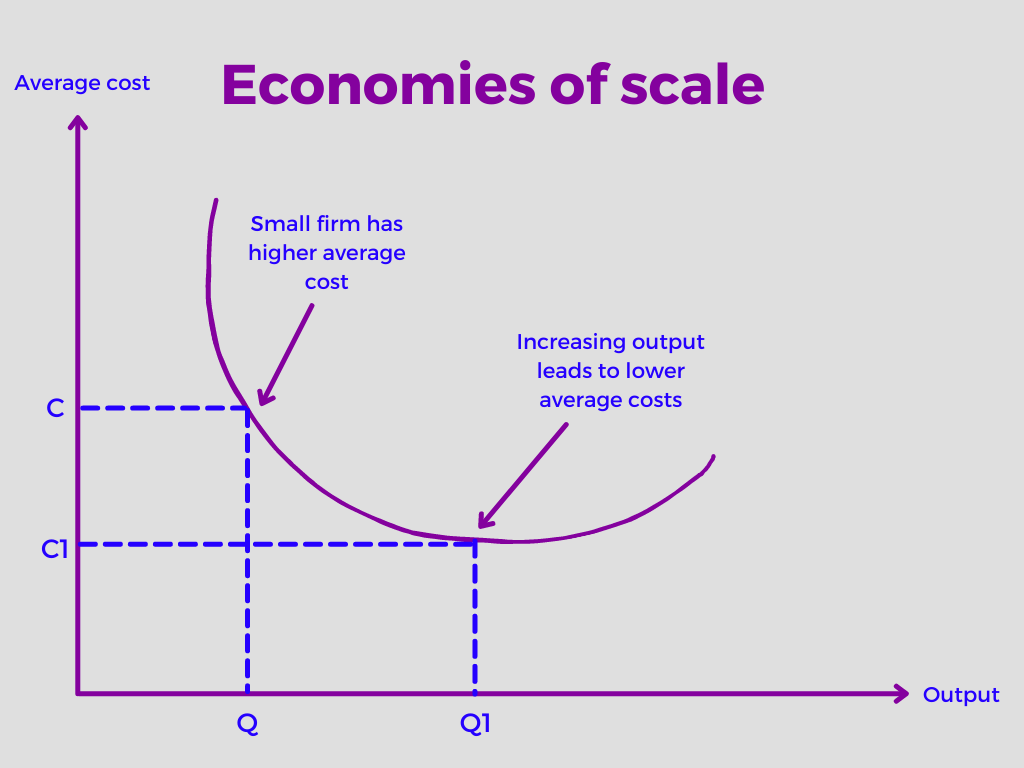
Scale economics are powerful because unit costs decline as production volume increases.

Ex) Netflix vs. Blockbuster
Netflix's originals and exclusives made possible for Netflix to create a Scale Economy and dominate the VOD streaming market. Blockbuster's brick-and-mortar business model was no longer scalable in the streaming era.
Scale Economies can emerge from Volume/area relationships, Distribution network density, Learning economies, and Purchasing economies other than Fixed cost economies(the Netflix example)
Static 2: Network Economies
Network economics are business in which the value realized by a customer increases as the installed base increases.

Ex) BranchOut vs. LinkedIn
BranchOut was a fast follower of LinkedIn, which already had 50M scale of network nodes. In order to prevent LinkedIn preoccupy the "tipping point" where the follower's value deficit would be so large that the follower's P&L would be too ugly to challenge the leader, BranchOut used the tactic to build on Facebook's existing network. However, the notion that people would want to distinguish their professional life(where LinkedIn's network was built on) and their daliy life(where Facebook's network was built on) made BranchOut's network deflate.
Static 3: Counter-Positioning
Counter-Positioning occurs when an incumbent refrains from imitating an upstart's superior business model due to anticipated damage to their existing business model.
Ex) Vanguard's passive index funds vs. active equity management
John Bogle, known as the “father of index funds,” wasn’t celebrated by the market when Vanguard introduced its first passive index fund. Compared with active funds, passive funds reduce operating costs and sales commissions, resulting in more efficient operations. Incumbent asset managers did not adopt passive index funds because doing so would have undermined their existing active management business model, which relied on high fees, commissions, and the perception of superior skill. Thus, even as Vanguard’s AUM surged toward $3T, incumbents rationally resisted copying the model because doing so would have directly damaged their core business economics and identity.
- Counter-Positioning(CP) vs. Distruptive Technology(DT)
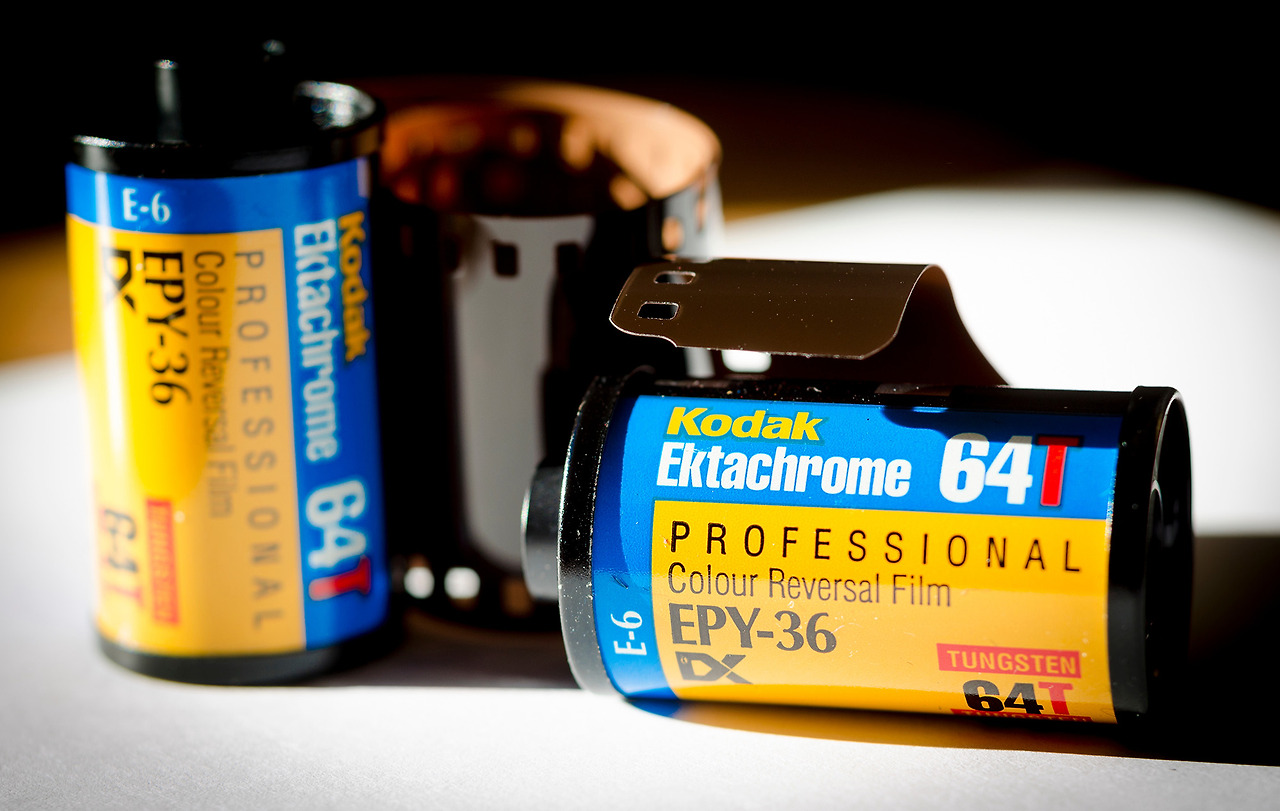
CP is where the leader rationally chooses inaction, and DT is where the existing business has no choice or capability to retaliate. Kodak's downfall is an example of DT, because digital photography was a technological discontinuity for Kodak to strategically imitate.
Static 4: Switching Costs
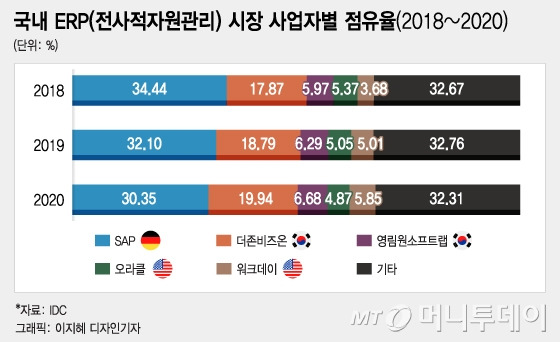
Switching Costs are the value loss expected by a customer that would be incurred from switching to an alternate supplier for additional purchases. The textbook-example for switching costs are ERP(Enterprise Resource Planning) softwares.
Ex) HP's migration attept to SAP
HP's North America server sales previously used legacy and in-house ERP systems. In 2004, HP attempted to migrate its ERP to SAP (#1 market share in the ERP market) - data inconsistencies, integration errors, and order-processing failures triggered widespread disruption.
There are three types of Switching Costs - Financial(Literal monetary cost), Procedural(employees' retraning cost), and Relational(Beneficial customer - provider relationships).
>EMR & PACS market also have high switching cost - reason why hospitals don't change their systems considering the advent of superior(?) technology!
SAP multiplies Switching Cost by acquiring corporations.
Static 5: Branding
The author defines branding as "an asset that communicates information and evokes positive emotions in the customer, leading to an increased willingness to pay for the product"

Ex) Tiffany & Co. Diamond jewerly
Good Morning America purchased $16,600 Tiffany&Co. diamond and a $6,600 Costco diamond, and asked Martin Fuller, a reputable gemologist. Costco's diamond was assessed to be $8,000 and Tiffany's was $10,500.
Tiffany's brand value came from its heritage, elegance, exclusivity, and flawlessness. A strong brand can only be created over a long period of "hysteresis"(-> self - reinforcing actions).
Companies that has Branding Power should refrain from "brand dilution" - which occurs when they release products that deviate from the brand’s established image, thereby weakening its perceived value and distinctiveness.

- Challenges of branding
- Brand dilution
- Counterfeiting
- Changing consumer preferences
- Geographic boundaries
- Narrowness
- Non-exclusivity
- Type of Good
Ex) Halston's brand dilution after accepting $1B deal from J.C.Penny to expand to affordable fashion lines
Static 6: Cornered Resource
Cornered resource is defined as preferential access to a coveted asset. This asset can be both tangible or intangible.

Ex) Pixar's "Brain Trust"
Pixar's small group of exellent leadership - coined as the Brain Trust - led to its commercial success of few animations(Toy Story, Finding Nemo...) leading to Pixar's superior performance.
Others who only tried to mimic the superficial narrative of Pixar's successful animations did not go very well.
Other examples of cornered resource includes breakthrough patents(Tesla), distribution channels(App store), data source(Google), or natural resource(Exxon)
5 screening tests for Cornered Resource
- Idiosyncratic: Why are they able to do this
- Non-arbitraged: Preferential access - no other competitors could acquire it at market price
- Transferable: Other essential complement exists
- Ongoing: Is the resource sustainable? (e.g. patent expiry)
- Sufficient: the resource must be sufficient
Specific leadership != Cornered Resource
(We need complements!! -> George Fisher's case of Motorola and Kodak)
Static 7: Process Power
Processes are embedded company organization and activity sets.
Ex) Toyota's TPS production system - GM could not mimic it even after the advent of NUMMI plants (GM-Toyota joint venture)
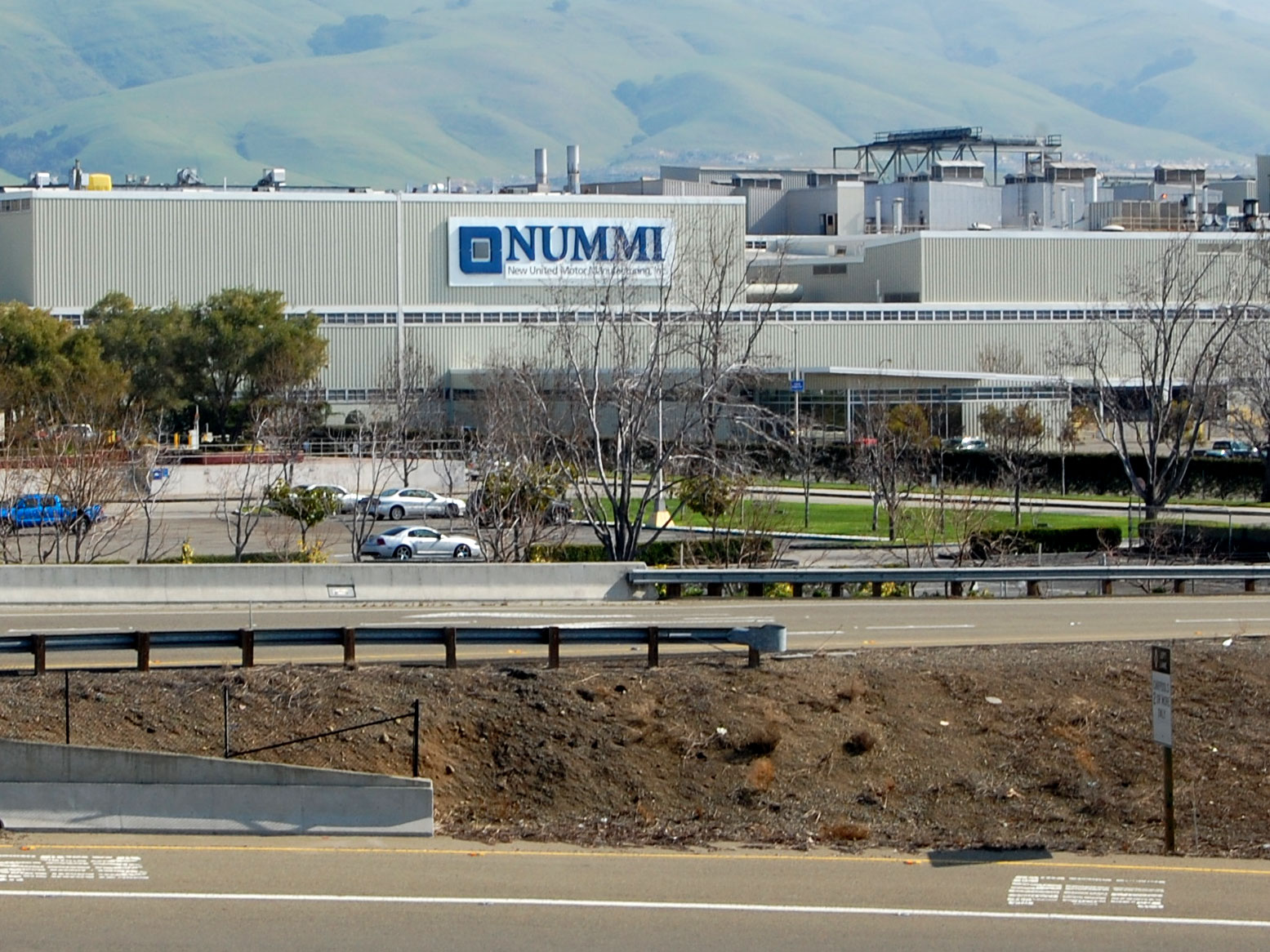
> Process Power is hard to replicate due to hystereisis (complexity, opacity) + operational excellence
>> Improvements that can be readily mimicked are not strategy
Strategy dynamics explain how and when to gain the 7 Powers.
Dynamic 1: How to gain power
Invention is the necessary condition for power, and invention comes from the intersection of your capabilities and customer needs. Sometimes it is driven by competitor offerings.
Dynamic 2: When to gain power
Exponentially growing businesses can be divided to three temporal phases: Origination, Takeoff, and Stability. The adequate timing to gain each one of the 7 powers can be classified into phases like below:
- Origination: Cornered Resource, Counter-Posotioning
- Takeoff: Scale Economies, Network Economies, Switching Costs
- Stability: Process Power, Branding
'독서' 카테고리의 다른 글
| [11] 투자의 원칙 (0) | 2025.10.18 |
|---|---|
| [10] 개념의료 (0) | 2025.10.14 |
| [08] 실리콘밸리의 팀장들 (0) | 2025.10.09 |
| [07] 대한민국 업종별 재무제표 읽는 법 (0) | 2025.10.08 |
| [06] 비선형조직 (0) | 2025.10.07 |